¶ Focus and Cognitive Performance: An Evidence-Based Guide

¶ Overview
Cognitive performance—specifically the ability to maintain focus, process information rapidly, and execute complex tasks—is a primary determinant of professional success and quality of life. While the market is flooded with "brain boosters," true cognitive enhancement follows a hierarchical structure: foundational lifestyle factors provide the necessary neurobiological substrate, while targeted substances and pharmacological agents offer specific, often acute, performance benefits.
This guide synthesizes clinical evidence to provide a roadmap for cognitive optimization, moving from essential biological maintenance to advanced interventions.
¶ 1. Lifestyle Interventions: The Biological Foundation
Before considering supplementation, the brain's physiological needs must be met. Deficits in sleep, metabolic fuel, or neurotrophic signaling render downstream interventions significantly less effective.
¶ Sleep: The Regulator of Attention
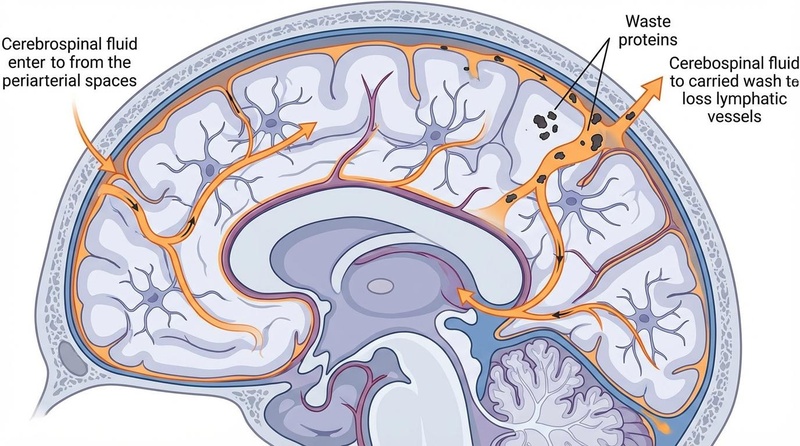
Sleep is the critical period for neurotoxin clearance and synaptic homeostasis, directly fueling the brain's ability to focus and process information. High-quality sleep actively restores the neural networks required for vigilance and stability.
- Attentional Stability: Sleep restores the brain's temporal integration capabilities, maintaining the "refresh rate" of visual processing. Well-rested individuals can process sequential stimuli rapidly (~200ms gap), whereas sleep pressure extends this refractory period (>600ms), causing the brain to miss information (the "attentional blink")[1].
- Resource Allocation (P300): Sleep optimizes the P300 event-related potential, a neurophysiological marker of how effectively the brain allocates attention to a task. Efficient P300 responses indicate that the brain is recruiting the correct neural populations for the task at hand without "leaking" resources to distractions[2].
- Psychomotor Speed: Adequate sleep preserves the speed of signal transmission across neural networks. This ensures that subjective feelings of alertness match objective reaction times, preventing the dissociation seen in fatigue states where individuals feel "fine" but perform poorly.
- Memory Encoding: Sleep is essential for the acquisition of new information. Meta-analyses show that a fully rested state before learning amplifies encoding capacity (Hedges’ g = 0.62), making it the primary tool for retaining complex new information[3].
¶ Exercise: BDNF and Synaptic Plasticity
Exercise is arguably the most potent natural stimulus for neuroplasticity, mediated primarily by Brain-Derived Neurotrophic Factor (BDNF).
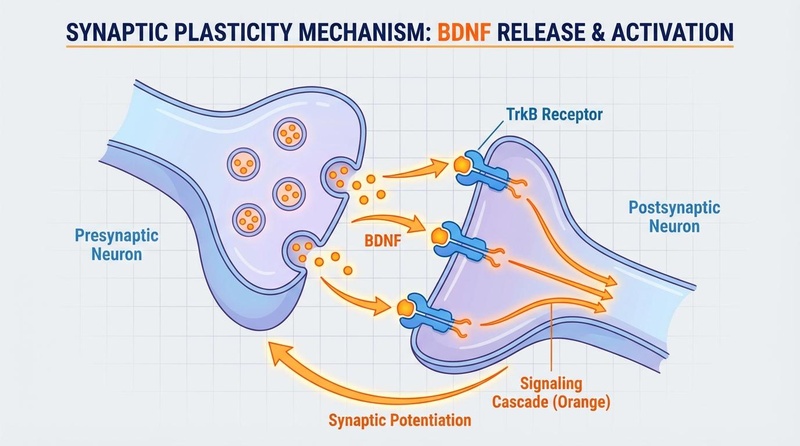
Exercise induces the release of BDNF, which strengthens synaptic connections and supports learning.
- BDNF Response: A single bout of high-intensity exercise moderately increases BDNF (Hedges’ g = 0.46), priming the brain for learning immediately post-workout. Regular training amplifies this response (Hedges’ g = 0.59), sensitizing the brain to neurotrophic signaling and promoting long-term structural changes[4].
- Cognitive Inhibition: High-intensity efforts improve "cognitive inhibition"—the ability to tune out irrelevant stimuli and suppress prepotent responses (e.g., ignoring a notification to stay on task). This is mediated partly by the Lactate Shuttle, where muscle-derived lactate crosses the blood-brain barrier to fuel hippocampal function during intense demand[5][6].
- Aerobic vs. Anaerobic Benefits: Different training modalities target distinct brain regions.
- Aerobic Exercise (e.g., running, cycling) primarily increases gray matter volume in the hippocampus and temporal lobes, supporting episodic memory and processing speed.
- Anaerobic Training (e.g., complex motor skills, resistance training) tends to enhance the basal ganglia and areas associated with executive control and inhibition[7][8].
¶ Mindfulness & Brain Training

Targeted mental practice can structurally alter attentional networks, directly improving focus and attention span.
- Mindfulness Meditation: This practice strengthens the "anticorrelation" between focus-oriented networks and the Default Mode Network (active during mind-wandering). Meta-analyses confirm that mindfulness interventions yield reliable improvements in objective attention performance (Hedges’ g = 0.29), particularly in inhibition and conflict monitoring[9][10].
- Deliberate Practice: Unlike passive repetition, deliberate practice involves focused, goal-oriented effort with immediate feedback. This method has been shown to induce myelin plasticity, increasing the speed and efficiency of neural signal transmission in the specific circuits used for the practiced skill.
- Brain Exercises: While general "brain games" often fail to transfer benefits to real-world tasks, training specific cognitive domains (like n-back tasks for working memory) can produce "near transfer" effects, improving performance on tasks relying on similar neural architecture.
¶ Nutrition: Metabolic Regulation
Nutrition impacts cognition through substrate availability and structural support.
- Glucose Regulation: The brain is highly sensitive to glucose fluctuations. Optimal cognitive performance is observed at stable glucose levels, while the "spikes and crashes" associated with high-glycemic diets are detrimental to sustained attention[11].
- Omega-3 Fatty Acids: DHA and EPA are structural components of neuronal membranes. Supplementation (daily doses >500mg) has been shown to improve executive function by up to 26% in older adults, correlated with preserved white matter integrity[12][13].
¶ 2. Foundational Support: Mineral & Hormonal Optimization
¶ Magnesium (Glycinate & L-Threonate)
Magnesium is a cofactor for over 300 enzymatic reactions, including those vital for NMDA receptor signaling and synaptic plasticity.
- Magnesium L-Threonate: This specific form is unique in its ability to effectively cross the blood-brain barrier. Animal studies suggest it can increase synapse density and restore cognitive deficits in aging models.
- Magnesium Glycinate: Highly bioavailable and gentle on the gut, useful for general repletion and sleep support, which indirectly benefits cognition.
¶ Pregnenolone
Often called the "grandmother hormone," Pregnenolone is a key neurosteroid synthesized in the brain. It modulates NMDA receptors and supports myelinization. It serves as a precursor to all other steroid hormones (progesterone, DHEA, cortisol), making it a fundamental substrate for cognitive stability and stress resilience.
¶ 3. Mitochondrial & Metabolic Enhancers
The brain consumes 20% of the body's energy. Optimizing mitochondrial efficiency is a key strategy for sustained mental endurance.
¶ ALCAR (Acetyl-L-Carnitine) with ALA
ALCAR is the acetylated form of L-carnitine, capable of crossing the blood-brain barrier.
- Mechanism: It shuttles fatty acids into mitochondria for energy and donates acetyl groups for Acetylcholine synthesis.
- Synergy: Often paired with Alpha-Lipoic Acid (ALA), a potent antioxidant. This combination has been shown to reverse mitochondrial decay and improve memory in aged animal models more effectively than either compound alone. Clinical meta-analyses support ALCAR's use for mild cognitive impairment[14].
¶ NMNH, Ubiquinol, and PQQ
This stack targets the mitochondrial electron transport chain and biogenesis.
- NMNH (Reduced Nicotinamide Mononucleotide): A potent precursor to NAD+, essential for cellular energy and DNA repair. It is often more stable and potent than NMN.
- Stack Note: NAD+ precursors are often taken with TMG (Trimethylglycine) to support methylation, Quercetin (to inhibit CD38, an enzyme that degrades NAD+), and Resveratrol (to activate Sirtuins).
- Ubiquinol: The active, antioxidant form of CoQ10. It facilitates electron transfer in the mitochondria, critical for ATP production.
- PQQ (Pyrroloquinoline Quinone): A redox cofactor that stimulates mitochondrial biogenesis (the growth of new mitochondria) via the PGC-1α pathway, complementing the energy-enhancing effects of CoQ10.
¶ Urolithin A
Urolithin A is a postbiotic that activates mitophagy, the process of clearing out defective mitochondria. By recycling old mitochondria, it improves overall cellular bioenergetics and muscle/brain endurance.
¶ Hypoxen
Hypoxen is a synthetic antihypoxic drug. It improves the efficiency of tissue respiration under low-oxygen conditions and stabilizes mitochondrial function during metabolic stress, potentially aiding endurance and mental clarity during fatigue.
¶ 4. Adaptogens & Natural Nootropics
¶ Lion's Mane Mushroom
Lion's Mane (Hericium erinaceus) is unique for its ability to stimulate the synthesis of Nerve Growth Factor (NGF) via bioactive hericenones and erinacines. Clinical trials have shown improvements in cognitive function in older adults with mild impairment and reductions in anxiety in younger populations[15].
¶ Rhodiola Rosea
Rhodiola Rosea is a premier adaptogen for fatigue. It works by modulating the HPA axis and inhibiting monoamine oxidases (MAO-A/B). It is particularly effective for burnout and maintaining performance during sleep deprivation or high stress[16].
¶ Bacopa Monnieri (Brahmi)
Brahmi has robust evidence for memory improvement.
- Speed of Processing: A meta-analysis of 9 randomized controlled trials found that Bacopa supplementation significantly reduced the time to complete complex cognitive tasks (Trail Making Test Part B) by ~18ms[17].
- Mechanism: Bacosides appear to reduce the rate of forgetting rather than increasing the speed of initial learning. This makes it particularly useful for language learning and retaining new vocabulary over time. By reducing the decay of newly encoded information, it supports the consolidation of long-term memories.
¶ Shilajit
Shilajit is a biomass rich in fulvic acid and trace minerals. It functions as a mitochondrial support agent (enhancing ATP production) and may inhibit the aggregation of tau protein, a marker of Alzheimer's pathology.
¶ Astaxanthin
A potent carotenoid antioxidant capable of crossing the blood-brain barrier. Astaxanthin protects neuronal membranes from oxidative stress and inflammation, preserving cognitive function and reducing visual fatigue.
¶ 5. Synthetic Nootropics: Vigilance & Processing
¶ Caffeine + L-Theanine

The combination of Caffeine and L-Theanine is one of the most replicated and effective "stacks" for productivity, leveraging the synergy between two safe compounds.
- Caffeine: Acts as an adenosine receptor antagonist ( and ). By blocking adenosine (which builds up to signal fatigue), it disinhibits dopamine and norepinephrine release, promoting wakefulness and vigilance[18].
- L-Theanine: An amino acid that increases alpha-brain waves (8–14 Hz), associated with "relaxed alertness." It modulates intersensory selective attention, helping to filter out distraction[19].
- Sources: While high-grade Matcha (green tea powder) is the most potent natural source of L-Theanine (often >20mg/gram), standard green and black teas contain lower amounts. Supplements are often required to reach therapeutic doses.
- Dosage: Research suggests a specific ratio may be optimal; one pivotal study found that 97 mg of L-theanine combined with 40 mg of caffeine significantly improved accuracy in attention-switching tasks[7:1].
The Synergy: When combined, L-Theanine mitigates the jitteriness and blood pressure spike of caffeine while preserving its focus-enhancing effects. This combination reduces susceptibility to distraction more effectively than either compound alone[20].
¶ Noopept
Noopept is a peptide-derived compound that is highly potent (10-30mg dose). It modulates acetylcholine and AMPA receptors and increases HIF-1 (Hypoxia-Inducible Factor) and BDNF expression, aiding in memory consolidation and neuroprotection[21].
¶ Racetams (Piracetam & Phenylpiracetam)
The racetams are a class of synthetic compounds that modulate neurotransmission.
- Piracetam: The parent compound of the class, Piracetam acts as a positive allosteric modulator (PAM) of AMPA glutamate receptors. It enhances neuronal communication and is widely used for neuroprotection, though its acute effects in healthy young adults are often subtle.
- Phenylpiracetam: A phenylated analog of piracetam, this compound is significantly more potent and lipophilic. Unlike its parent, Phenylpiracetam acts as a Dopamine Transporter (DAT) inhibitor, increasing dopamine levels in the brain. This gives it distinct psychostimulant properties, making it effective for enhancing motivation, physical stamina, and focus under stress (originally developed for cosmonauts to combat cold stress)[22].
¶ Modafinil
Modafinil is a eugeroic (wakefulness-promoting agent) widely used off-label for cognitive enhancement. In sleep-deprived states, it is unmatched in restoring vigilance and reaction time to baseline levels, outperforming placebo significantly[23].
In well-rested adults, it improves performance on complex executive tasks like spatial planning (Tower of London task) and impulse control (Stop-Signal task). However, effect sizes in healthy people (SMD = 0.12) are smaller than in sleep-deprived populations, suggesting it is best used as a countermeasure for fatigue rather than a daily booster[24][25]. Reviews emphasize that while it enhances fatigue-related deficits, it is not a substitute for sleep[26][27].
¶ Bromantane
Bromantane is a unique "actoprotector" that upregulates the enzyme Tyrosine Hydroxylase, increasing the brain's capacity to synthesize dopamine de novo[28]. This provides a sustainable boost in motivation and physical work capacity without the depletion associated with typical stimulants.
¶ Anxiolytic Nootropics
- Afobazole: A selective anxiolytic that modulates sigma-1 receptors and melatonin receptors. It reduces anxiety without sedation or muscle weakness and possesses neuroprotective properties.
- Picamilon: A synthetic combination of Niacin and GABA. The niacin moiety allows GABA to cross the blood-brain barrier, where it hydrolyzes to exert a calming effect while the niacin improves cerebral blood flow.
¶ Novel & Experimental Compounds
- TAK-653: An experimental AMPA receptor positive allosteric modulator (PAM). It enhances synaptic transmission with minimal agonism, offering potential cognitive benefits with a lower risk of excitotoxicity than earlier AMPAkines[29].
- ACD856: A novel positive allosteric modulator of Trk-receptors (Neurotrophin receptors). It enhances the signaling of BDNF and NGF, aiming to improve synaptic plasticity and memory.
¶ 6. Peptides & Bioregulators
Peptides offer targeted modulation of neurotrophic and immune pathways.
¶ Semax & Selank
- Semax: A synthetic peptide derived from a fragment of ACTH. Its primary effects include improved selective attention, memory consolidation, and a "clear-headed" stimulation. Mechanistically, it rapidly upregulates BDNF and NGF expression in the hippocampus. Importantly, Semax does not deplete catecholamines; unlike amphetamines which force the release of stored dopamine (leading to a "crash"), Semax modulates the system without exhausting neurotransmitter reserves[30][31].
- Selank: An anxiolytic peptide that modulates enkephalins and dopamine. It is used to treat generalized anxiety and improve adaptation to stress, often described as "Semax for anxiety."
¶ Cerebrolysin & Cortexin
- Cerebrolysin: A porcine brain-derived peptide mixture. It mimics the effects of neurotrophic factors (CNTF, GDNF, BDNF) and is clinically used for stroke recovery and TBI. It promotes neurogenesis and repair[32].
- Cortexin: Similar to Cerebrolysin but with a different peptide profile (derived from cattle/pig cortex). It is often used for cognitive disorders and has a more pronounced effect on GABAergic systems.
¶ Thymalin & Epitalon
- Thymalin: A thymus-derived peptide that regulates the immune system. Emerging research suggests a strong link between immune health (T-cell function) and cognitive performance ("neuroimmunology").
- Epitalon: A synthetic tetrapeptide that induces telomerase activity. While primarily a longevity intervention, its regulation of the pineal gland and circadian rhythms (melatonin secretion) indirectly supports cognitive maintenance and sleep quality.
¶ Summary of Interventions
¶ Classification Methodology
Interventions are classified based on the quality and quantity of available clinical evidence:
- Validated: Efficacy is supported by systematic reviews, meta-analyses, or multiple high-quality randomized controlled trials (RCTs) in humans. The mechanism of action is well-understood.
- Promising: Supported by single RCTs, strong animal/mechanistic data, or smaller human studies. Evidence suggests benefit, but larger confirmatory trials are needed.
- Experimental: Primarily supported by preclinical (animal/in vitro) data. Human safety or efficacy data is limited or preliminary.
| Intervention | Mechanism | Primary Benefit | Evidence Status |
|---|---|---|---|
| Sleep & Exercise | Glymphatic clearance, BDNF | Foundation of cognition | 🟢 Validated |
| Lion's Mane | NGF synthesis | Memory, nerve health | 🟢 Validated |
| Rhodiola Rosea | MAO inhibition, HPA axis | Anti-fatigue, burnout recovery | 🟢 Validated |
| Bacopa (Brahmi) | Synaptic restoration | Memory retention, processing speed | 🟢 Validated |
| Caffeine + L-Theanine | Adenosine antagonism | Vigilance, relaxed focus | 🟢 Validated |
| ALCAR + ALA | Mitochondrial transport | Energy, elderly cognition | 🟢 Validated |
| Cerebrolysin | Neurotrophic factors | Stroke/TBI recovery, neuroprotection | 🟢 Validated |
| Semax | BDNF/NGF upregulation | Acute focus, memory consolidation | 🟡 Promising |
| Bromantane | Tyrosine Hydroxylase upreg. | Motivation, physical stamina | 🟡 Promising |
| Noopept | HIF-1, AMPA modulation | Memory, neuroprotection | 🟡 Promising |
| Phenylpiracetam | DAT inhibition | Motivation, intense focus | 🟡 Promising |
| TAK-653 | AMPA potentiation | Depression, synaptic plasticity | 🔴 Experimental |
¶ References
Gallegos, C., et al. (2024). Total sleep deprivation effects on the attentional blink. Experimental Brain Research. Link ↩︎
Ren, Z., et al. (2025). The impact of sleep deprivation on cognitive function in healthy adults: insights from auditory P300 and reaction time analysis. Frontiers in Neuroscience. Link ↩︎
Chatburn, A., et al. (2014). Sleep deprivation and memory: Meta-analytic reviews of studies on sleep deprivation before and after learning. Psychological Bulletin. Link ↩︎
Szuhany, K. L., Bugatti, M., & Otto, M. W. (2015). A meta-analytic review of the effects of exercise on brain-derived neurotrophic factor. Journal of Psychiatric Research. Link ↩︎
Hsieh, S. S., et al. (2022). Effects of high-intensity interval training on blood lactate levels and cognition in healthy adults. Systematic Reviews. Link ↩︎
Jimenez-Maldonado, A., et al. (2022). Lactate consumption mediates repeated high-intensity interval exercise-enhanced executive function. Frontiers in Behavioral Neuroscience. Link ↩︎
Giesbrecht, T., et al. (2010). The combination of L-theanine and caffeine improves cognitive performance and increases subjective alertness. Nutritional Neuroscience. Link ↩︎ ↩︎
Hsieh, S. S., et al. (2023). High-intensity interval training, lactate, and cognition: A systematic review and meta-regression. Sports Medicine. Link ↩︎
Mrazek, A. J., et al. (2021). Attention and Default Mode Network Assessments of Meditation Experience during Active Cognition and Rest. Scientific Reports. Link ↩︎
Verhaeghen, P. (2021). Mindfulness as Attention Training: Meta-Analyses on the Links Between Attention Performance and Mindfulness Interventions. Mindfulness. Link ↩︎
Chaytor, N. S., et al. (2024). Glucose fluctuations impact cognitive function in people with Type 1 Diabetes. NPJ Digital Medicine. Link ↩︎
Witte, A. V., et al. (2014). Long-chain omega-3 fatty acids improve brain function and structure in older adults. Cerebral Cortex. Link ↩︎
Al-Ghazali, K., et al. (2024). The influence of n-3 polyunsaturated fatty acids on cognitive function in individuals without dementia: a systematic review and dose-response meta-analysis. Cureus. Link ↩︎
Montgomery, S. A., et al. (2003). Meta-analysis of double blind randomized controlled clinical trials of acetyl-L-carnitine versus placebo in the treatment of mild cognitive impairment and mild Alzheimer's disease. International Clinical Psychopharmacology. Link ↩︎
Mori, K., et al. (2009). Improving effects of the mushroom Yamabushitake (Hericium erinaceus) on mild cognitive impairment. Phytotherapy Research. Link ↩︎
Darbinyan, V., et al. (2000). Rhodiola rosea in stress induced fatigue. Phytomedicine. Link ↩︎
Kongkeaw, C., et al. (2014). Meta-analysis of randomized controlled trials on cognitive effects of Bacopa monnieri extract. Journal of Ethnopharmacology. Link ↩︎
Alexander, S. P. (2006). Flavonoids as antagonists at A1, A2A, A2B and A3 adenosine receptors. Phytotherapy Research. Link ↩︎
Gomez-Ramirez, M., et al. (2007). The deployment of intersensory selective attention: a high-density electrical mapping study of the effects of theanine. Clinical Neuropharmacology. Link ↩︎
Haskell, C. F., et al. (2008). The effects of L-theanine, caffeine and their combination on cognition and mood. Biological Psychology. Link ↩︎
Ostrovskaya, R. U., et al. (2008). Noopept stimulates the expression of NGF and BDNF in rat hippocampus. Bulletin of Experimental Biology and Medicine. Link ↩︎
Malykh, A. G., & Sadaie, M. R. (2010). Piracetam and piracetam-like drugs: from basic science to novel clinical applications to CNS disorders. Drugs. Link ↩︎
Killgore, W. D., et al. (2009). Effects of dextroamphetamine, caffeine and modafinil on psychomotor vigilance test performance after 44 h of continuous wakefulness. Sleep. Link ↩︎
Turner, D. C., et al. (2003). Cognitive enhancing effects of modafinil in healthy volunteers. Psychopharmacology. Link ↩︎
Roberts, C. A., et al. (2020). A series of meta-analyses of cognitive performance during acute administration of modafinil, methylphenidate and D-amphetamine. European Neuropsychopharmacology. Link ↩︎
Battleday, R. M., & Brem, A. K. (2015). Modafinil for cognitive neuroenhancement in healthy non-sleep-deprived subjects: A systematic review. European Neuropsychopharmacology. Link ↩︎
Wesensten, N. J. (2006). The effects of modafinil on cognitive performance in healthy, non-sleep-deprived humans. Current Pharmaceutical Design. Link ↩︎
Vakhitova, Y. V., et al. (2004). Molecular mechanism of the action of actoprotector bromantane: induction of tyrosine hydroxylase gene expression. Biochemistry (Moscow). Link ↩︎
Hara, H., et al. (2021). TAK-653, an AMPA receptor potentiator with minimal agonistic activity, produces an antidepressant-like effect with a favorable safety profile in rats. Pharmacology Biochemistry and Behavior. Link ↩︎
Dolotov, O. V., et al. (2006). Semax, an analog of ACTH(4-10) with cognitive effects, regulates BDNF and trkB expression in the rat hippocampus. Brain Research. Link ↩︎
Kaplan, M. A., et al. (2003). Neuropeptide regulation of the brain activity and behavior. Neuroscience and Behavioral Physiology. Link ↩︎
Poon, W. S., et al. (2020). Cerebrolysin after moderate to severe traumatic brain injury: prospective meta-analysis of the CAPTAIN trial series. Neurological Sciences. Link ↩︎
Comments
Discussion