Administrator
May 12, 2026, 2:27 PM
Hmmm not clear
0 up0 down
Current medical consensus and clinical experience on how to recover faster.
When most people get sick, the standard advice is "rest and drink plenty of fluids." While true, it often feels insufficient. Many patients—and doctors—want to know which treatments have real evidence behind them, not just what sounds plausible or what the supplement aisle is pushing.
This guide aggregates research-backed interventions for the prevention and management of viral respiratory infections. It specifically highlights 10 treatments backed by randomized controlled trials and meta-analyses showing reductions in symptom severity, illness duration, or both. These are not massive pharmaceutical trials, but many show consistent, meaningful benefits. For low-risk and easy interventions, cutting a cold from 7 days to 4 days is a real win.
| Intervention | Evidence Strength | Mechanism of Action | Practical Verdict/Notes |
|---|---|---|---|
| Zinc Lozenges | High (Cochrane Review) | Direct antiviral; inhibits replication in throat. | Shortens cold by ~33%. Requires >75mg/day lozenges. |
| Saline Irrigation | Moderate (RCT) | Physical washout + antimicrobial hypochlorous acid. | Reduces duration by ~2 days; cuts transmission by 35%. |
| NAC | High (RCT) | Replenishes glutathione; modulates inflammation. | Reduces symptom severity significantly (keeps infection "sub-clinical"). |
| Honey | Moderate (Meta-analysis) | Demulcent (coats throat); mild antimicrobial. | Superior to usual care for cough; comparable to dextromethorphan. |
| Vitamin C | Moderate (Meta-analysis) | Supports T-cells; manages inflammation. | Reduces severe symptoms (fever/chills) by 60%; less effect on mild colds. |
| Pelargonium | Moderate (Cochrane Review) | Prevents viral adhesion; stimulates phagocytosis. | Strongest for bronchitis; reduces sick leave. |
| Andrographis | Moderate (Systematic Review) | Anti-inflammatory; immunostimulating. | "Indian Echinacea." Comparable to oseltamivir for flu severity. |
| Elderberry | Mixed | Blocks viral entry (glycoproteins). | Best for flu if started <48h; mixed results for common cold. |
| Carrageenan | Moderate | Physical gel barrier traps viruses. | Nasal spray. Reduces viral load and relapse risk. |
| Nitric Oxide | Emerging/Moderate | Direct viral inactivation; signaling molecule. | Rapid viral load reduction; faster clearance. |
These interventions are most effective when "stacked" or combined, particularly when started within 24–48 hours of symptom onset.
The Evidence
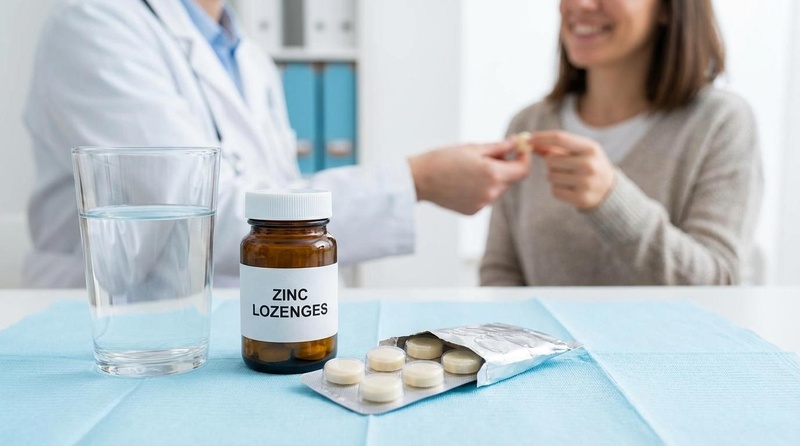
A 2024 Cochrane review analyzed 34 randomized controlled trials including 8,526 participants. It found that zinc supplementation may reduce the duration of the common cold. A separate 2017 meta-analysis specifically on high-dose zinc lozenge trials (>75 mg/day) found even stronger results[1][2].
Results
The Protocol
Why It Works
Zinc ions released in the throat have direct antiviral effects. They inhibit viral replication and reduce inflammatory signaling in the oropharyngeal region where cold viruses multiply.
The Evidence
A 2019 pilot randomized controlled trial in Edinburgh recruited adults within 48 hours of cold symptoms. Participants used hypertonic saline nasal irrigation and gargling (HSNIG) or standard care[3].
Results
The Protocol
Why It Works
Hypertonic saline physically washes away viral particles and increases the production of hypochlorous acid, a natural antimicrobial compound, via chloride ions.
The Evidence
A classic 1997 randomized, double-blind, placebo-controlled study involving 262 subjects examined NAC for influenza prevention and treatment over 6 months[4].
Results
The Protocol
Why It Works
NAC replenishes glutathione, a master antioxidant that controls oxidative stress driving symptoms. It also modulates pro-inflammatory cytokines like TNF and IL-6, potentially keeping an infection "sub-clinical."
The Evidence
A 2020 systematic review and meta-analysis examined 14 trials (1,345 patients) comparing honey to usual care, placebo, or OTC meds[5].
Results
The Protocol
Why It Works
Honey acts as a demulcent, coating irritated throat tissues to calm the cough reflex. It also possesses mild antimicrobial and anti-inflammatory properties.
The Evidence
A 2023 meta-analysis of 10 trials examined Vitamin C's effect on cold severity. It included diverse populations like soldiers and swimmers[6].
Results
The Protocol
Why It Works
Vitamin C levels in white blood cells drop during infection. Supplementation supports T-cell function and manages inflammation.
The Evidence
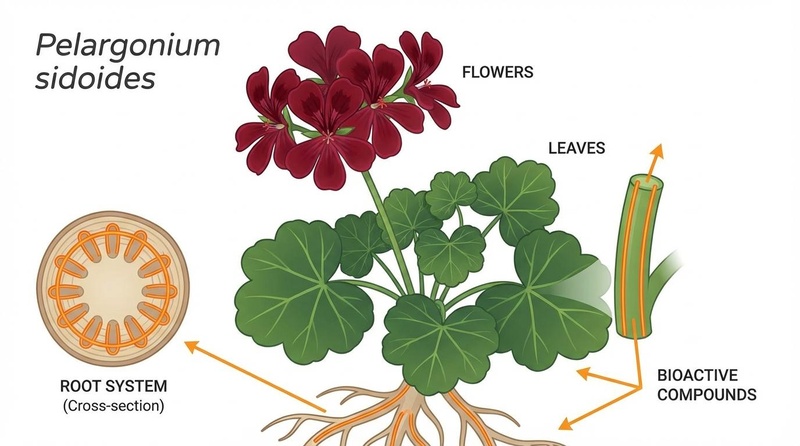
Extracts from the South African geranium Pelargonium sidoides (specifically EPs 7630) have been extensively studied. A Cochrane review confirms efficacy for acute bronchitis and potential benefit for the common cold[7].
Results
The Protocol
Why It Works
It prevents bacteria and viruses from adhering to mucous membrane cells and stimulates the immune system's defense mechanisms (phagocytosis).
The Evidence
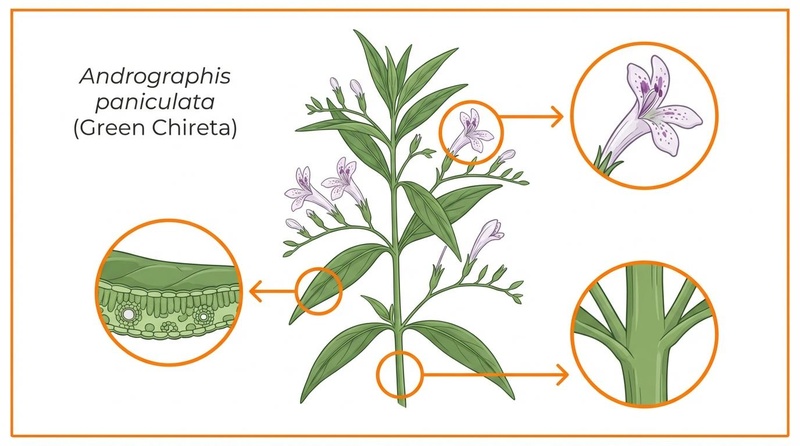
Often called "Indian Echinacea," Andrographis is a staple in Traditional Chinese and Ayurvedic medicine. A systematic review found it superior to placebo for subjective symptom relief[8].
Results
The Protocol
Why It Works
Andrographolide has anti-inflammatory and immunostimulating properties, reducing the "cytokine storm" associated with severe symptoms.
The Evidence
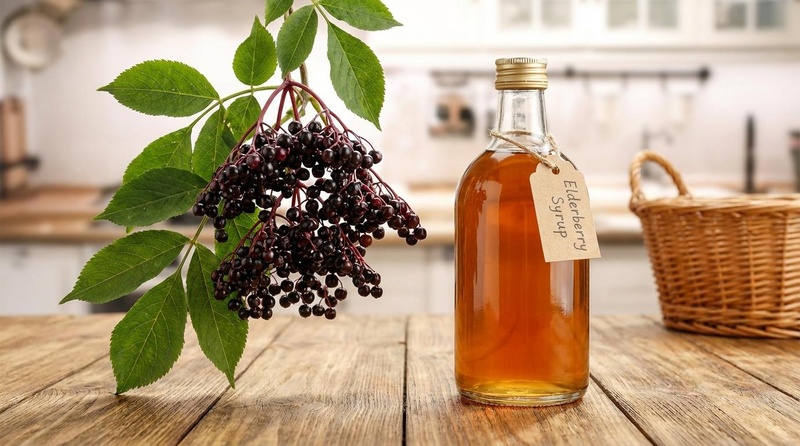
Elderberry is a popular flu remedy. Early small studies showed dramatic reductions in flu duration (up to 4 days). Larger, recent independent studies have been more mixed, with some showing no benefit over placebo[9]. However, it remains a widely used intervention with a good safety profile.
Results
The Protocol
Why It Works
Compounds in elderberry (anthocyanins) may block viral glycoproteins, preventing the virus from entering host cells.
The Evidence
Iota-carrageenan is a sulfated polysaccharide derived from red seaweed. Studies suggest it forms a gel barrier in the nasal mucosa[10].
Results
The Protocol
Why It Works
It creates a physical barrier that traps viruses, preventing them from binding to and infecting nasal cells.
The Evidence
A newer class of nasal sprays releases nitric oxide (NO). Clinical trials, particularly accelerated by COVID-19 research, have shown potent antiviral activity[11].
Results
The Protocol
Why It Works
Nitric oxide is a natural signaling molecule with broad-spectrum antimicrobial properties. It can directly inactivate viruses and improve mucosal blood flow.
While the focus above is recovery, prevention remains superior.
The "Kitchen Sink" Approach (First 48 Hours)
Cochrane Database Syst Rev. 2024; PMC11078591. https://pmc.ncbi.nlm.nih.gov/articles/PMC11078591/ ↩︎
Hemilä H. Zinc lozenges and the common cold: a meta-analysis comparing zinc acetate and zinc gluconate, and the role of zinc dosage. JRSM Open. 2017;8(5). https://journals.sagepub.com/doi/pdf/10.1177/2054270417694291 ↩︎
Ramalingam S, et al. A pilot, open labelled, randomised controlled trial of hypertonic saline nasal irrigation and gargling for the common cold. Sci Rep. 2019;9:1015. https://www.nature.com/articles/s41598-018-37703-3.pdf ↩︎
De Flora S, Grassi C, Carati L. Attenuation of influenza-like symptomatology and improvement of cell-mediated immunity with long-term N-acetylcysteine treatment. Eur Respir J. 1997;10:1535-1541. https://publications.ersnet.org/content/erj/10/7/1535.full.pdf ↩︎
Hibatullah A, et al. Effectiveness of honey for symptomatic relief in upper respiratory tract infections: a systematic review and meta-analysis. BMJ EBM. 2020. https://ebm.bmj.com/content/26/2/57 ↩︎
BMC Public Health. 2023. https://link.springer.com/content/pdf/10.1186/s12889-023-17229-8.pdf ↩︎
Timmer A, et al. Pelargonium sidoides extract for treating acute respiratory tract infections. Cochrane Database Syst Rev. 2013;(10):CD006323. ↩︎
Hu XY, et al. Andrographis paniculata for symptomatic relief of acute respiratory tract infections. PLoS One. 2017;12(8):e0181780. ↩︎
Macknin M, et al. Elderberry Extract Outpatient Influenza Treatment for Emergency Room Patients Ages 5 and Above. J Gen Intern Med. 2020;35(11):3271-3277. ↩︎
Eccles R, et al. Efficacy and safety of an antiviral Iota-Carrageenan nasal spray. Respir Res. 2010;11:108. ↩︎
Winchester S, et al. Clinical efficacy of nitric oxide nasal spray (NONS). J Infect. 2021;83(2):237-279. ↩︎
Prather AA, et al. Behaviorally Assessed Sleep and Susceptibility to the Common Cold. Sleep. 2015;38(9):1353-1359. ↩︎
Martineau AR, et al. Vitamin D supplementation to prevent acute respiratory tract infections. BMJ. 2017;356:i6583. ↩︎
May 12, 2026, 2:27 PM
Hmmm not clear
Comments
Discussion