¶ Immunoglobulin Therapy (IVIG/SCIG)
Immunoglobulin therapy administers pooled IgG (intravenous IVIG or subcutaneous SCIG) to modulate humoral immunity. It is approved for immunodeficiency and autoimmune indications; its role in extending healthspan or lifespan is unproven. In Alzheimer’s disease, albumin replacement with low-volume exchange ± IVIG (AMBAR) showed signals in subgroups, but confirmatory trials are needed. Routine IVIG for aging is not evidence-based.[1][2][3]
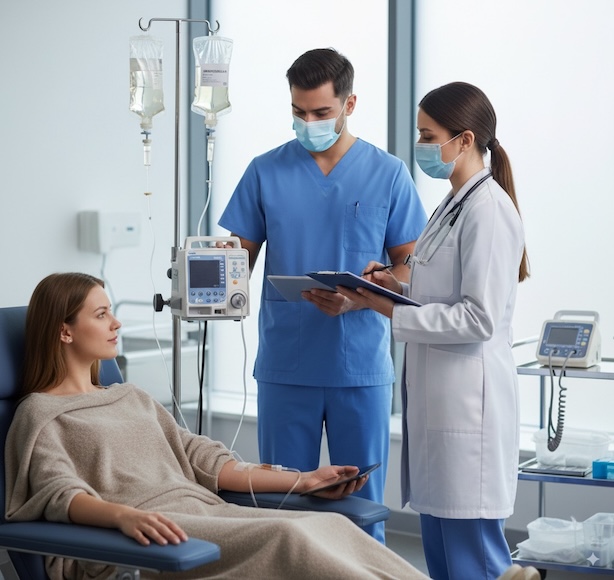
¶ Overview
- What it is: Polyclonal IgG pooled from donors; administered IV or SC.[1:1]
- Typical use: Primary immunodeficiency, select autoimmune/inflammatory disorders; dosing weight-based.[1:2]
- Longevity bottom line: No established evidence to recommend IVIG for healthy aging; potential role only within specific disease contexts or trials (e.g., albumin/TPE ± IVIG regimens in AD research).[2:1][3:1]
¶ Mechanisms
- Fc-mediated effects: Fcγ receptor saturation/modulation, anti-idiotype interactions, neutralization of autoantibodies.[1:3]
- Complement inhibition and immune complex clearance.[1:4]
- Cytokine network modulation; expansion of regulatory T cells in some contexts.[1:5]
¶ Clinical evidence (longevity-relevant contexts)
- Alzheimer’s disease: Albumin replacement with low-volume exchange ± IVIG (AMBAR) showed slower decline in some subgroups; regimen is not the same as standalone IVIG and requires replication.[2:2]
- Immunosenescence: No RCT evidence that IVIG slows aging in healthy older adults; use is indication-driven.[1:6]
¶ Types of immunoglobulin therapy
- IVIG (intravenous)
- SCIG (subcutaneous)
- Adjunct to exchange regimens in research (e.g., AMBAR)
¶ Safety considerations
- Common: Headache, infusion reactions, fatigue.[1:7]
- Serious (rare): Thrombosis, hemolysis, aseptic meningitis, acute kidney injury (sucrose-stabilized products), anaphylaxis (IgA deficiency).[1:8]
- Monitoring: Vitals during infusion; consider thrombotic risk factors; renal function with high-dose or risk products; IgA deficiency screening when indicated.[1:9]
¶ Dosage information / protocol
- Replacement dosing (PID): 400–600 mg/kg every 3–4 weeks IVIG, or equivalent weekly SCIG.[1:10]
- Autoimmune dosing: 2 g/kg per cycle divided over 2–5 days; indication-specific.[1:11]
- Longevity: No established dosing; not recommended outside trials.[1:12][2:3]
¶ Side effects (selected)
| Effect | Frequency/notes | Route | Evidence |
|---|---|---|---|
| Headache/flu-like symptoms | Common; rate-related | IV/SC | Probable[1:13] |
| Thromboembolism | Rare; risk with high dose/viscosity | IV | Possible[1:14] |
| Aseptic meningitis | Rare; self-limited | IV | Possible[1:15] |
| AKI (sucrose products) | Rare; product-related | IV | Possible[1:16] |
¶ FAQs
- Does IVIG reverse immunosenescence?
- No evidence in healthy aging; benefits are indication-specific.[1:17]
- Is IVIG helpful in Alzheimer’s disease?
¶ References
¶ See also
Orange JS, Hossny EM, Weiler CR, et al. Use of intravenous immunoglobulin in human disease: review and update. J Allergy Clin Immunol. 2006;117(4):S525–S553; updates thereafter. ↩︎ ↩︎ ↩︎ ↩︎ ↩︎ ↩︎ ↩︎ ↩︎ ↩︎ ↩︎ ↩︎ ↩︎ ↩︎ ↩︎ ↩︎ ↩︎ ↩︎ ↩︎
Boada M, et al. Plasma exchange with albumin replacement ± IVIG in Alzheimer’s disease (AMBAR). Alzheimers Dement. 2020;16:1412–1425. ↩︎ ↩︎ ↩︎ ↩︎ ↩︎
U.S. FDA. FDA warns against receiving young donor plasma infusions for anti-aging (2019). ↩︎ ↩︎ ↩︎
Comments
Discussion